
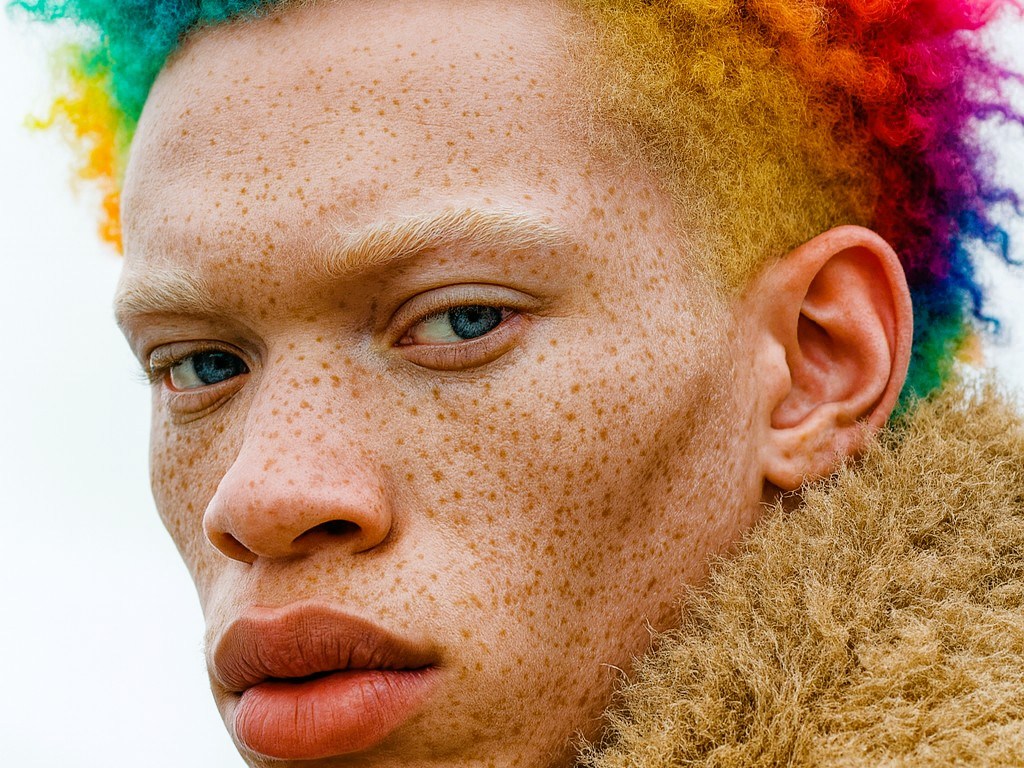
Here’s a short story that treats color not as a label, but as a poetic tool — a concept that dances through art, not identity:
In a quiet village nestled between fog and forest, a painter named Elian lived. He had no names for colors. He saw the world in hues and shades, but never called them red or blue or brown. To him, the sky was whisper, the trees were hum, and the fire was shout.
People found this strange. “How do you paint without knowing what color you’re using?” they asked.
Elian would smile and say, “I don’t use colors. I use feelings.”
His portraits shimmered with emotion. A woman’s sorrow was painted in echo, a child’s joy in bounce, and an elder’s wisdom in still. No two paintings looked alike. Yet, all of them felt familiar. It was as if they spoke directly to the soul, bypassing the eyes.
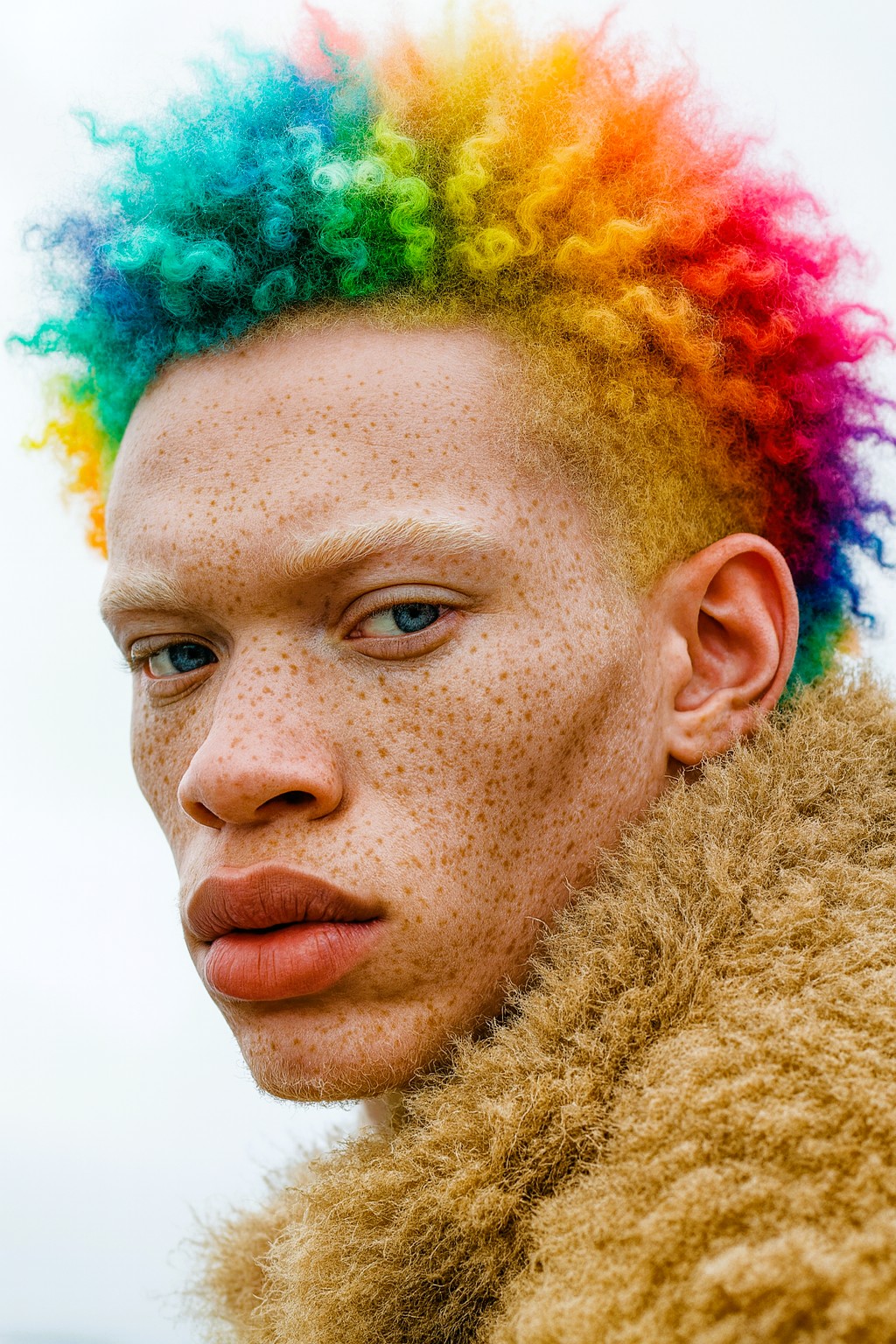
One day, a traveler came to Elian’s studio. He was pale as moonlight, with hair like a storm and eyes like frost. “Paint me,” he said, “but do not use color.”
Elian nodded. He dipped his brush into memory, swept it across the canvas with wonder, and finished with a touch of truth.
When the traveler saw the painting, he wept. “You saw me,” he whispered. “Not my skin, not my hair — me.”
Elian simply replied, “Color is not who we are. It’s how we speak when words fall silent.”
And from that day on, the village stopped naming colors. They named feelings instead.

 @pencilmagmen
You must be logged in to post a comment.