
Inspired by Jewish folk song — Hava Nagila ( let’s rejoice). English meaning (not for singing, just for understanding). A verse in Chinese accidentally slipped into the song. It occurred right after the fiddler began. It made me cry out – help me God – Ezór li, Elohím. I thought it as a flaw for a moment.
The fiddler begins alone.

A single violin thread rises into the air like breath on a cold morning. It is thin at first. Then it becomes warmer and fuller. It is as if the wood itself remembers other hands, other rooms, and other feet waiting for the downbeat. The melody circles once, twice, not asking yet, only inviting.
Then the drum answers.
Not loud—never loud at first—but steady, like a heart that knows its work. Around it, hands start to clap, not all at once, not perfectly, but honestly. Someone laughs. Someone hums before knowing the tune. The room opens.
On every good day and every holiday, this is how it begins.
A voice lifts—Hinéi nagíla—and the phrase doesn’t belong to one singer for long. It spreads, passing from mouth to mouth, becoming plural. The words aren’t heavy with explanation; they don’t need to be. They carry joy the way fire carries warmth: by contact.
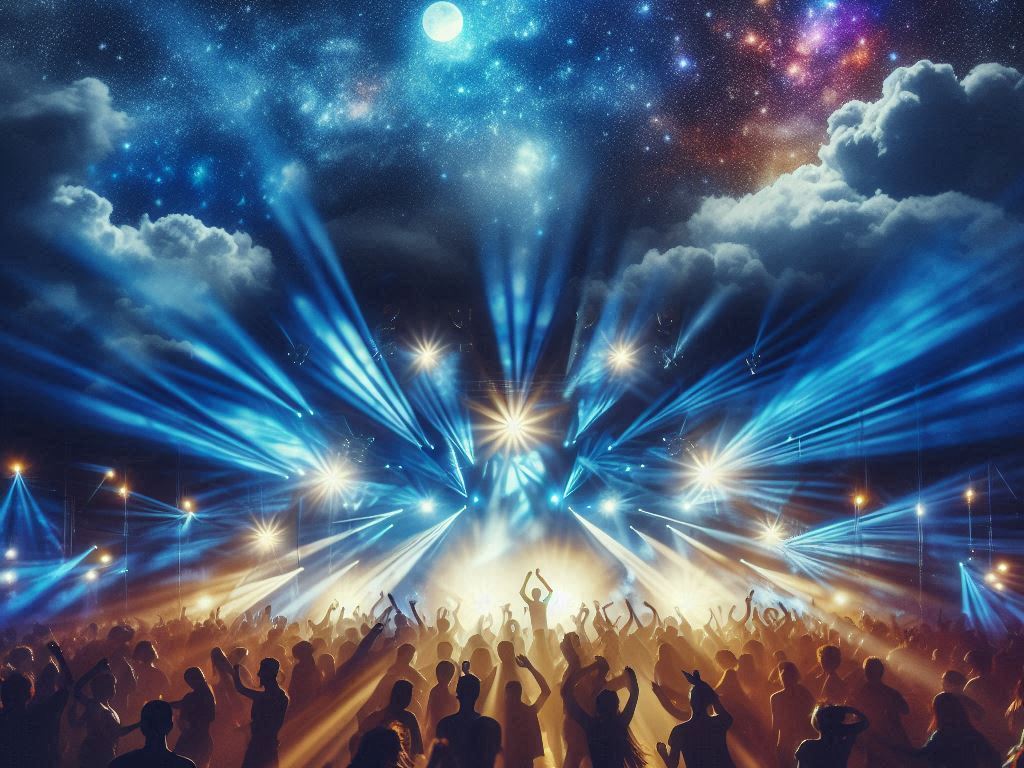
The rhythm quickens. Feet find the floor. Circles form, loosen, reform. No one leads for long. The music itself takes that role. It pulls gently upward, lifting shoulders and chins. It lifts something unseen just behind the ribs.
Here, hearts open.
Not dramatically—no tearing, no breaking—but like shutters swung wide after winter. The melody warms the heart and the spirit, its pulse echoing something older than the room, older than the dancers. Ancestors hover not as ghosts, but as echoes in the scale, familiar turns in the tune that say: Yes. This too. We know this joy.
The violin soars into the bridge, a sudden lift, a shimmer that touches the heart and the soul. For a moment the dancers are weightless, shoes barely kissing the ground. Laughter breaks through the rhythm, and the drum answers by digging deeper, anchoring the flight.
The music lifts them upward—not away, not beyond—but into themselves and into each other. Sweat shines. Eyes meet. Time loosens its grip.
When the final note lands, it doesn’t end the dance. It simply rests, like a satisfied breath. It knows it will rise again on another good day. It rises on another holiday. It comes whenever an open heart calls the music home.
🎻 How this will sound in music?
This structure is perfect for a dance‑mantra:
- The repeated Hinéi nagíla has that rising, communal call.
- Lev niftákh (“open heart”) has a beautiful vowel spread for melisma.
- Mechamemím gives you a percussive “kh‑m‑m” cluster that sits well over a beat.
- The bridge Nogéa la‑lev ve‑la‑neshamá has a natural lift — ideal for a violin swell or a drop.
Here’s the original version with Chinese verse in the beginning.

 @pencilmagmen
You must be logged in to post a comment.